
During the summer of 2019, I was honored to represent The United States vet schools at the ASEAN Veterinary Volunteer Project in Thailand and Vietnam. This project, which was facilitated by Kasetsart University, the largest university in Thailand, brought together around 50 veterinary students from over 14 countries to accomplish veterinary volunteer work in under-served communities and build relationships among veterinary students around the world.
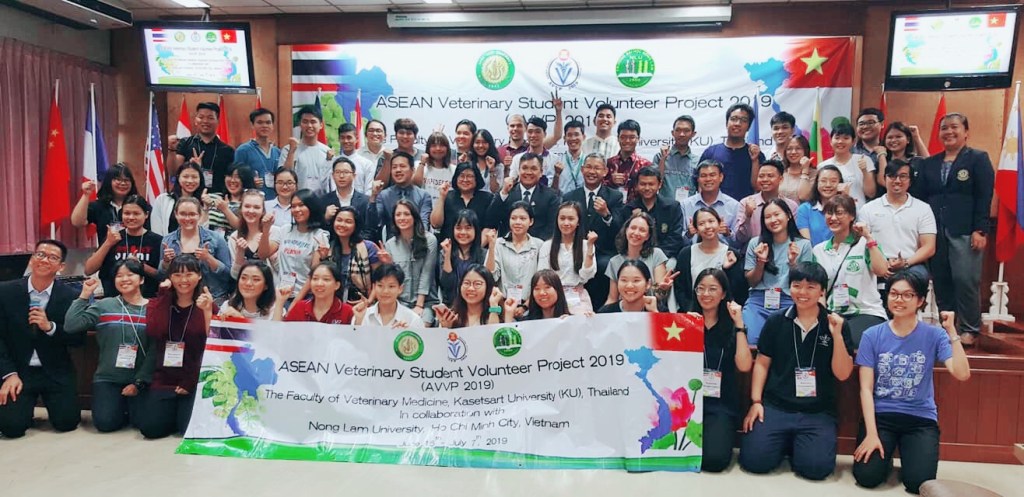
After landing in Bangkok, Thailand, we settled into our dorms and headed to Kasetsart University’s campus. At the welcome ceremony, students from each country presented a challenge facing their veterinary community. These ranged from the topics of African Swine Fever in Vietnam, veterinary waste in Cambodia, and lack of rural veterinarians in France. As for my topic, I chose to present about the student debt-to-income ratio facing many students because it is quite unique to The United States – most of the other students at the volunteer project attend school for 6 years and it is much more affordable. After touring Kasetsart University’s veterinary hospital, we were assigned our independent research projects – my group was to assess athelmintic resistance of Haemonchus in rural goat herds in Thailand and study rabies awareness in Vietnam.
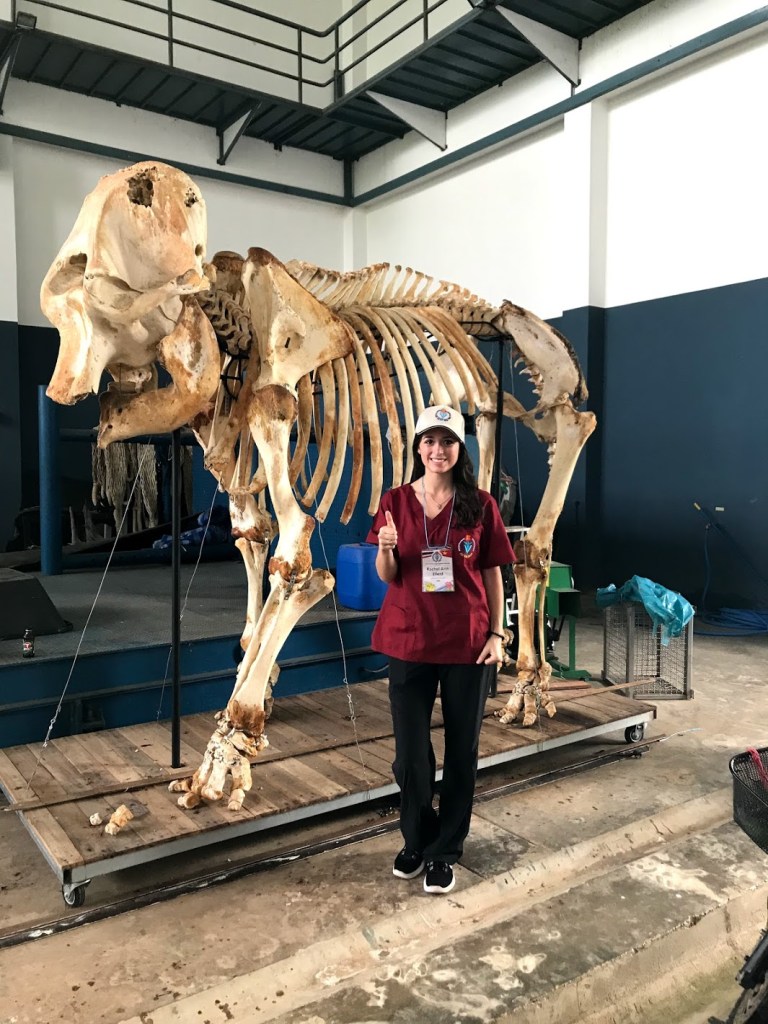
After getting to know the other students in the volunteer program, we split into smaller groups and were shipped off to separate rural communities in need. For the next week we would be staying in Buddhist temples, which were the centers of these villages.
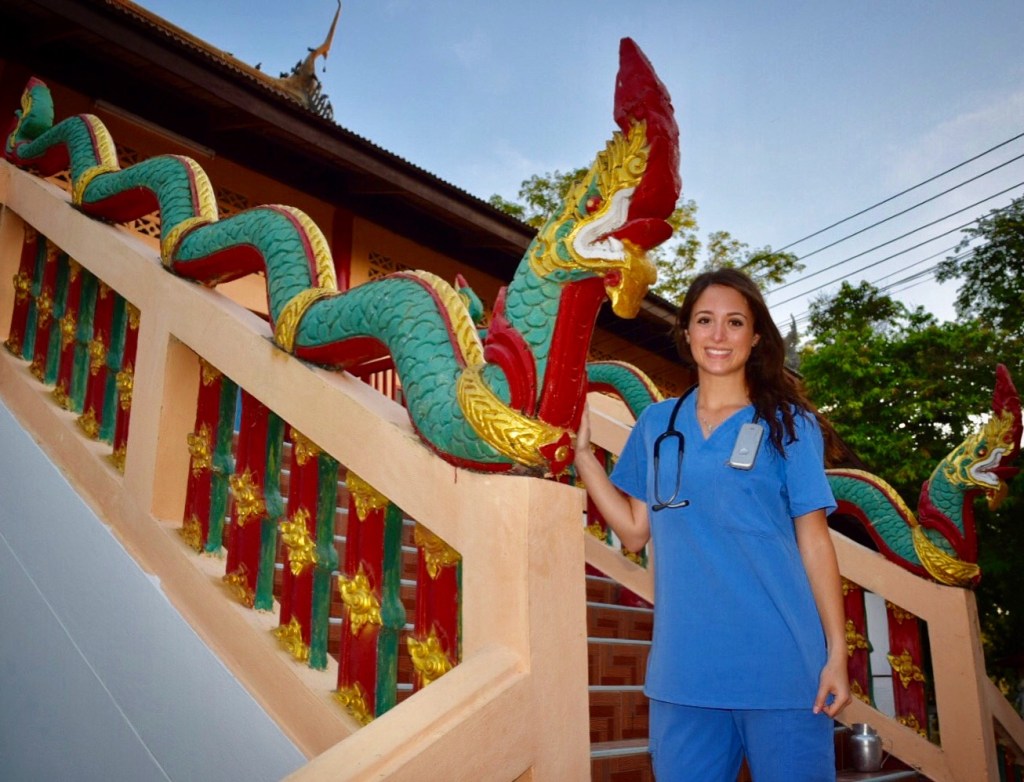
We converted these Buddhist temples to a makeshift hospitals and dormitories. We slept on the wooden floors covered with mosquito netting and set up metal tables for animal physical exams. Bathrooms consisted of holes in the floor and showers were simply a faucet and a large bucket. Although we had no air conditioning in the middle of the hot and rainy season, I was ecstatic to be surrounded by new friends and improving the healthcare of animals.

As a group, we did much more than simple veterinary work. Not only were we helping the communities with animal healthcare, but we also strived to improve the environment as well. We planted trees along a river that will one day provide fruit in addition to homes for future wildlife.
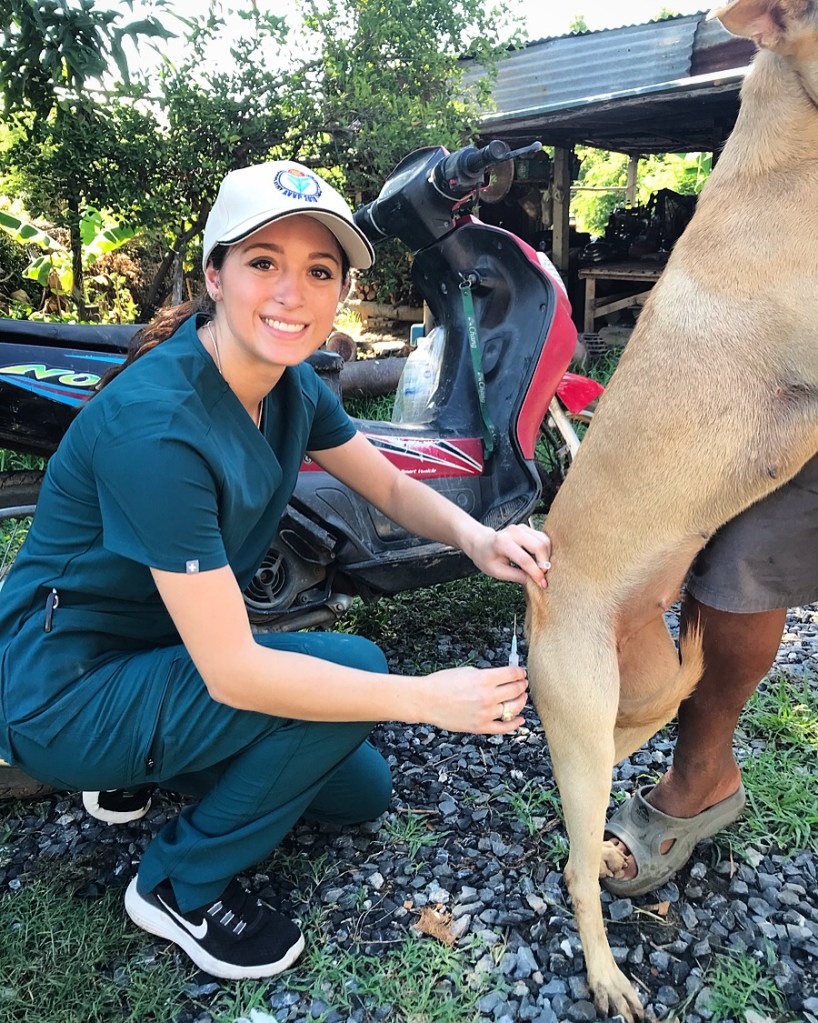
During part of our stay, we split into small groups and surveyed the communities, going door-to-door and offering free rabies vaccinations for dogs and cats. In addition, we educated children at the local school about the dangers of rabies and the importance of vaccinating their pets. All in all, we vaccinated over 500 animals in just a few days.
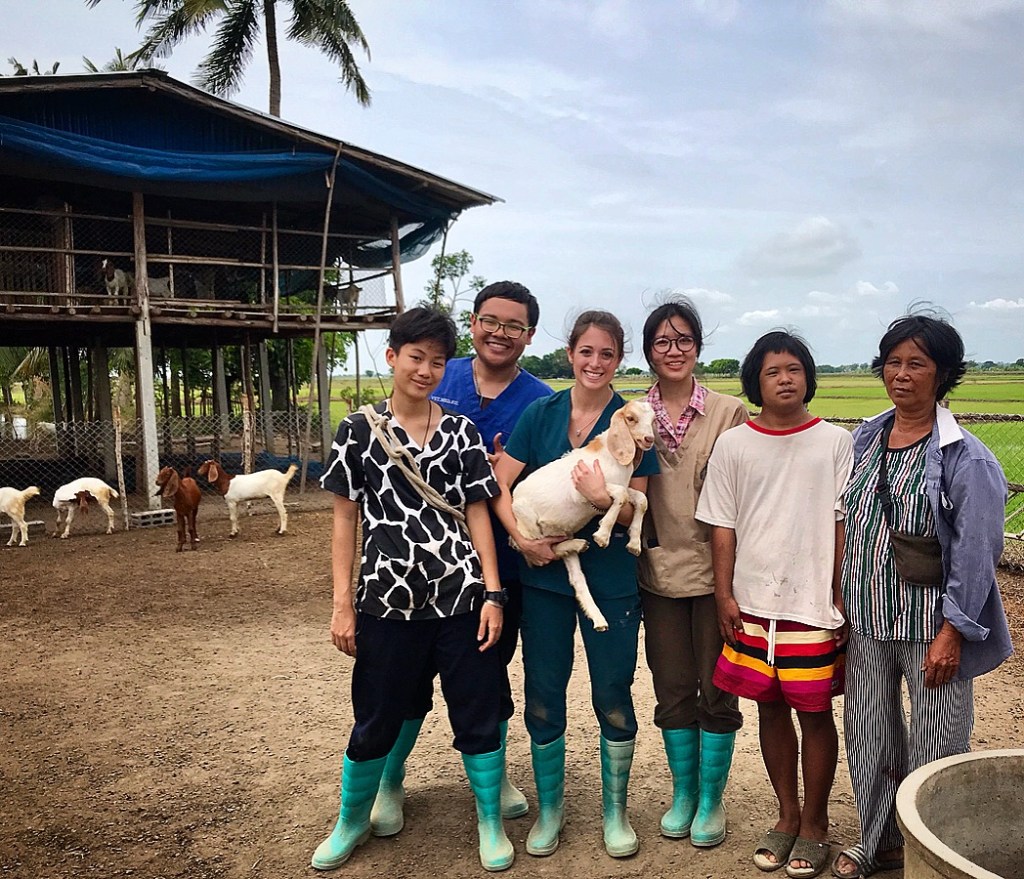
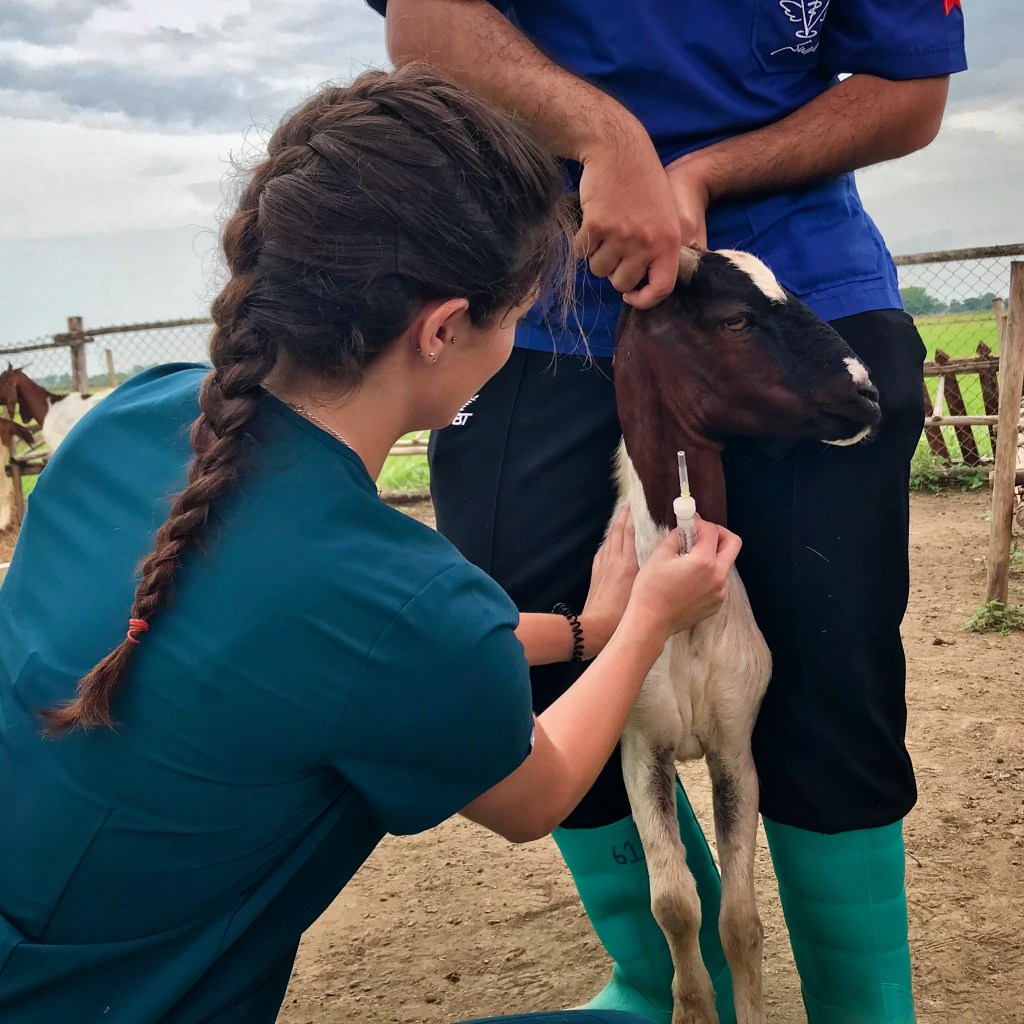
In addition to small animal medicine, we worked with local villagers to improve food animal health. For many of the members in these communities, their herds are their main sources of income and food. During this time, we went from farm to farm vaccinating goats and cattle for foot-and-mouth disease, a virus that causes blisters on the hooves and mouths of these animals which causes serious concerns for livestock. In addition to vaccination, we analyzed their fecal samples for parasites, dewormed them with parasiticides, and took blood samples for brucellosis testing.
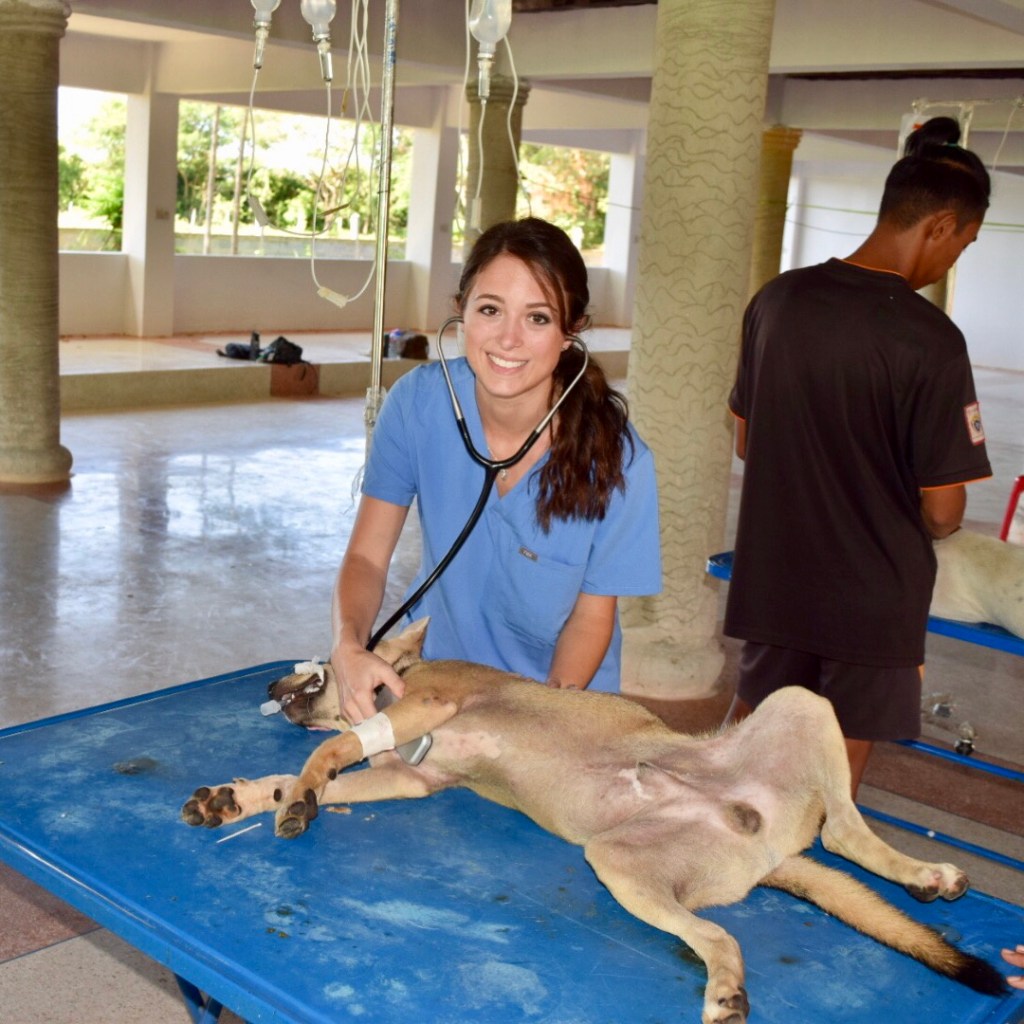
The last two days in our rural villages consisted of cat and dog desexing. Many of these animals were either strays or community dogs that roamed the streets, while some belonged to households. Before starting the procedures, we practiced physical exams on all the animals. Once we deemed they were good candidates for anesthesia, we premedicated them and prepped them for surgery.
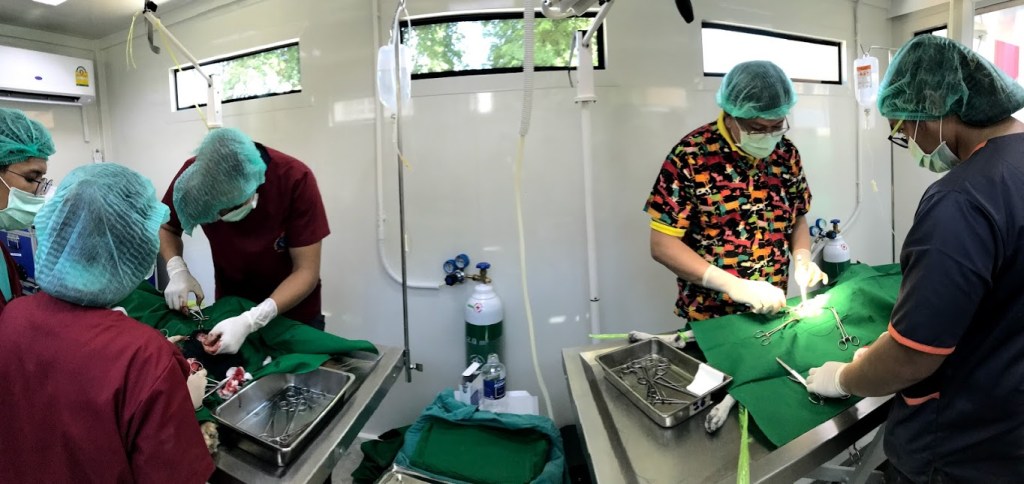
During the procedures, we maintained the animals on total intravenous anesthesia (TIVA), which was much different than using gas anesthesia I had practiced with back home. Although I had assisted with spays and neuters before and performed them on cadavers, I had never completed one on my own.
With the supervision of multiple veterinarians, I performed my first spay and neuter. I was so thankful for the education I received at A&M because I had a head-start on suturing – many of my fellow students were performing their first sutures on live animals, and I was lucky to have built up confidence with this skill on models in the past.
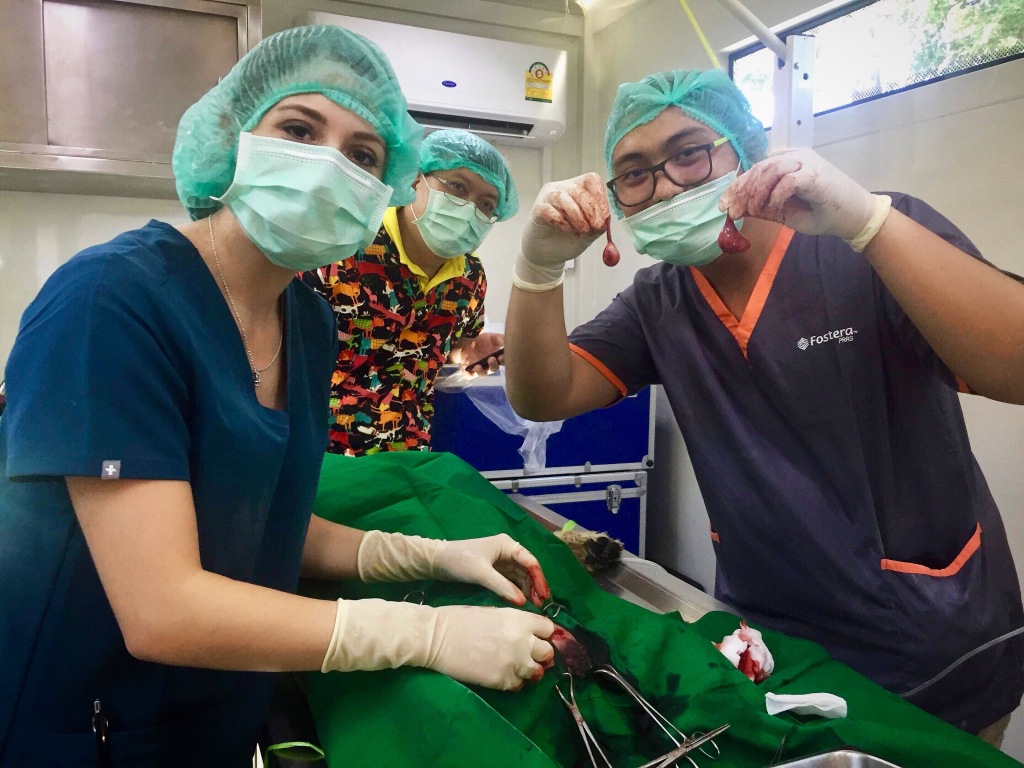
After performing the spays and neuters, we monitored our patients throughout their recovery. All together, we spayed and neutered over 150 animals free-of-charge for the local communities. Not only will these procedures help prevent stray overpopulation, but they help protect the pets from future illnesses.
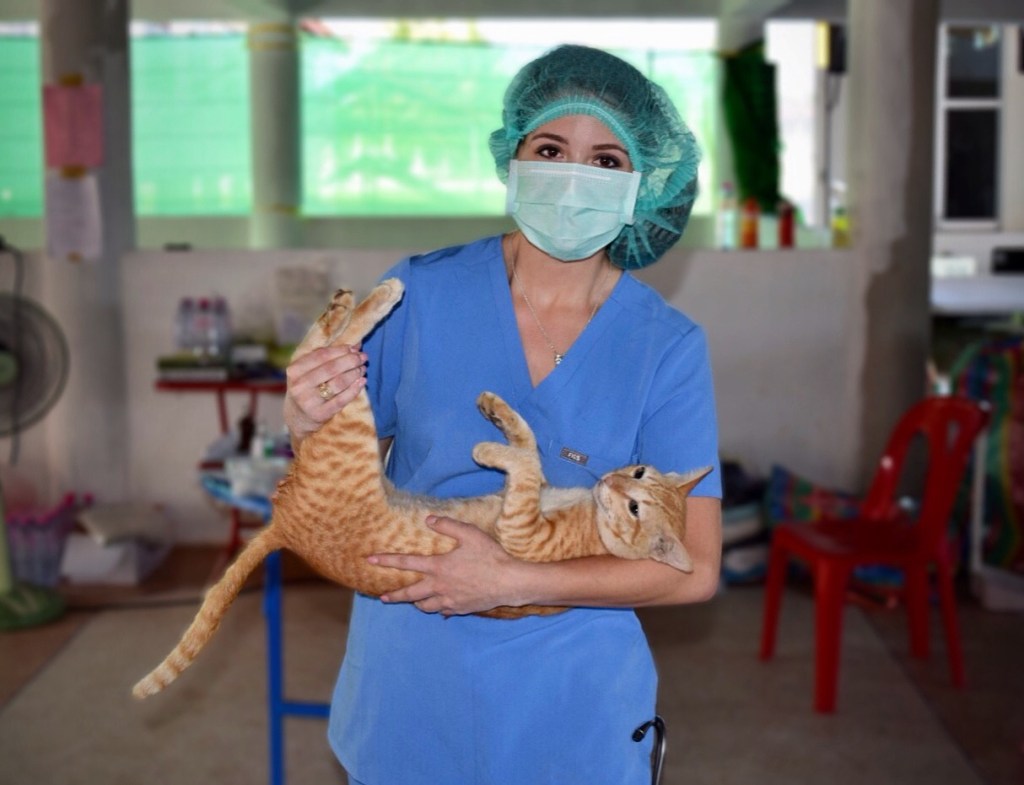
During our stay we encountered some animals with pyometra (a bacterial infection of the uterus), which left untreated – highly likely due to the lack of veterinary care in the area – is usually fatal. Even more, by spaying and neutering the animals, we decreased their change of developing certain types of cancer and many other illnesses.
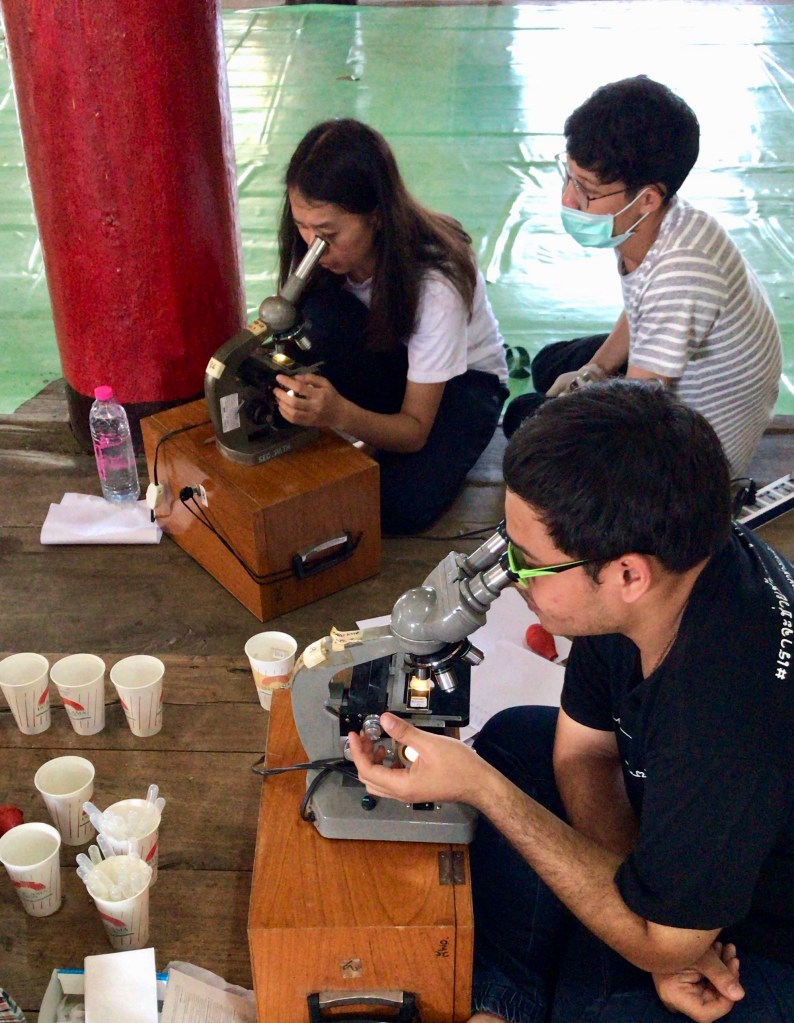
Finally it was time to analyze the goat fecal samples for Haemonchus, a dangerous intestinal parasite. To do this, we used the McMaster fecal egg-count method, in which we were able to determine the amount of parasite eggs per gram of feces by looking at samples under a microscope. We processed over 200 samples and collected data that will help with research and determining if Haemonchus parasites in the area have developed resistance to Albendazole. After analyzing all of the fecal samples, we determined that there was a 92% prevalence rate among the goats in the villages.
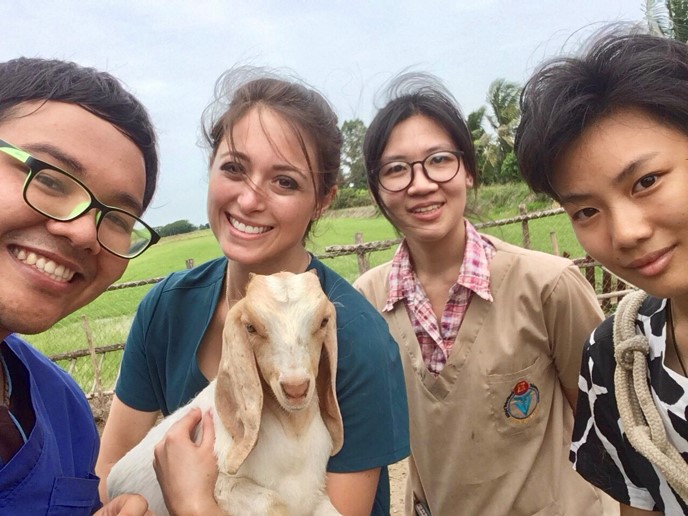
We also collected data on the farmers’ awareness of caprine parasites. We developed a questionnaire with basic questions about how their animals may become infected and what measures they used for prevention. After analyzing the responses, we determined that many farmers were not aware of the proper use and dosages of their dewormer medications. Unfortunately this may lead to increased resistance of nematode parasites to dewormers, which may explain why some goats were heavily infected.
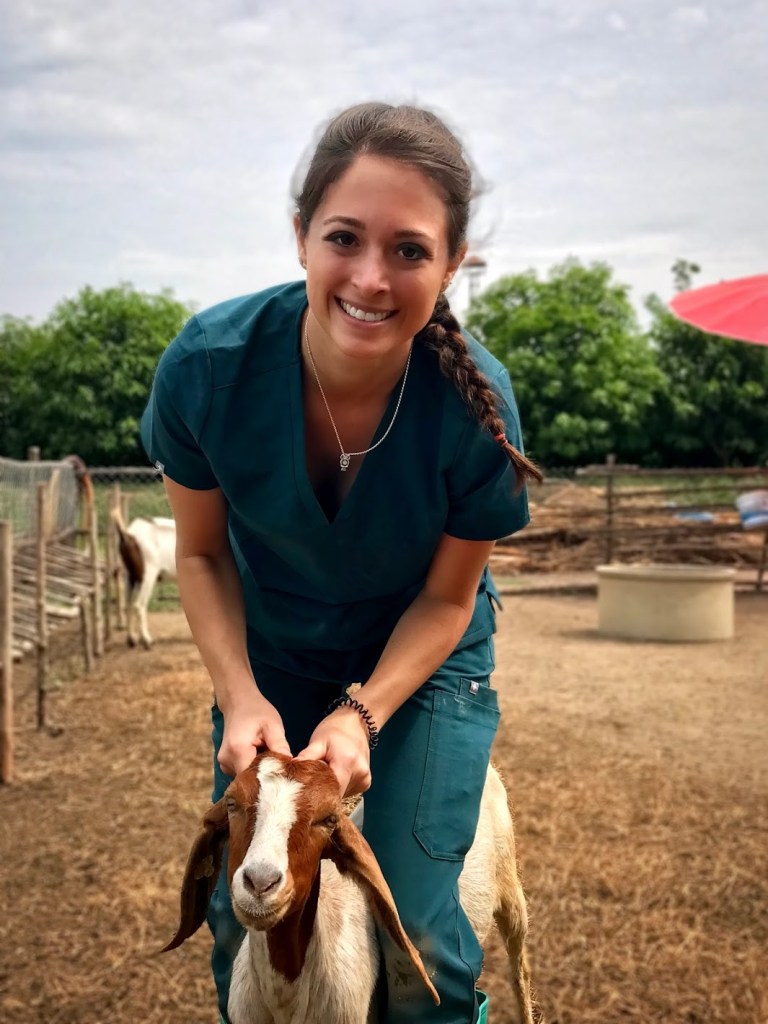
One thing I loved about this program was the variety of experiences we received. As someone who grew up in a suburban area, I had very little experience with farm animals. Through this program, I was able to learn how to handle livestock such as goats and cattle and practice my clinical skills with these animals. Before this program, I had never drawn blood from a goat before, but now I can say that I’ve practiced that skill over 200 times. Even more, we weren’t limited to domestic species – at the end of our stay in Thailand, we got to tour Kasetsart University’s exotic ward and raptor center.
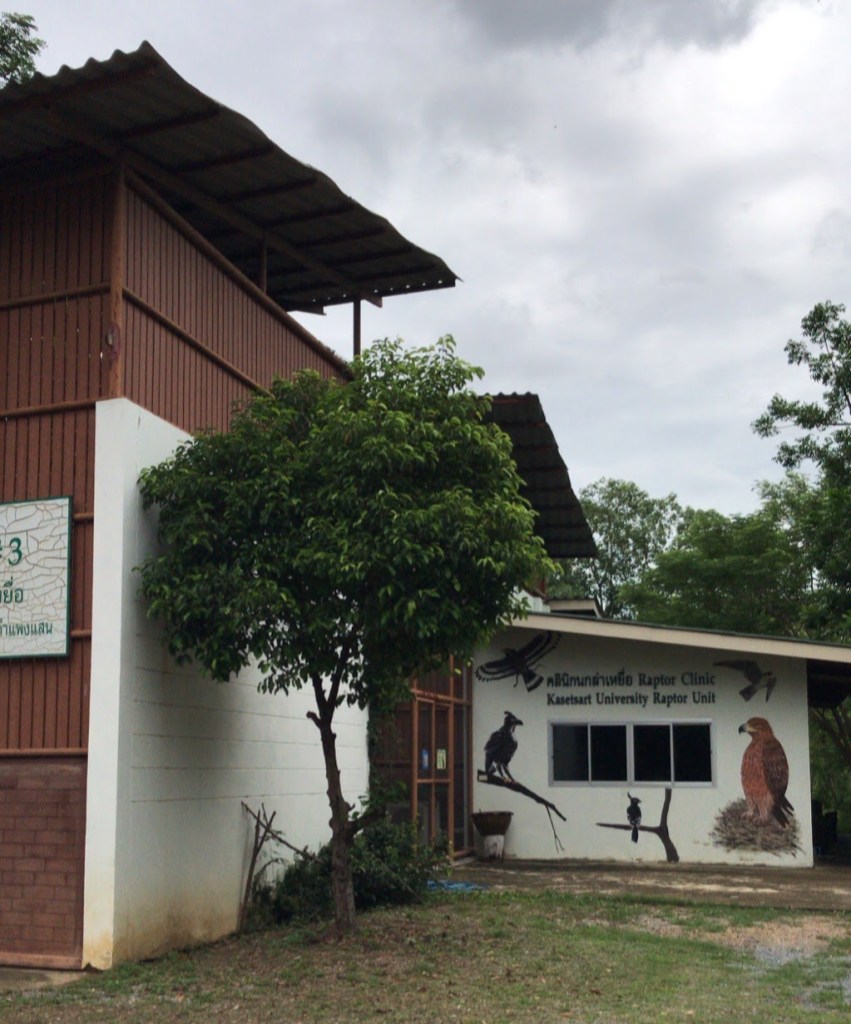
The Kasetsart University Raptor Center is integral to the conservation of birds of prey in Thailand. In the past, people used to hunt owls because they were seen as “bad omens” but due to the raptor center’s education and conservation efforts, farmers are now installing owl nest boxes in order to attract them and use them for rodent control.
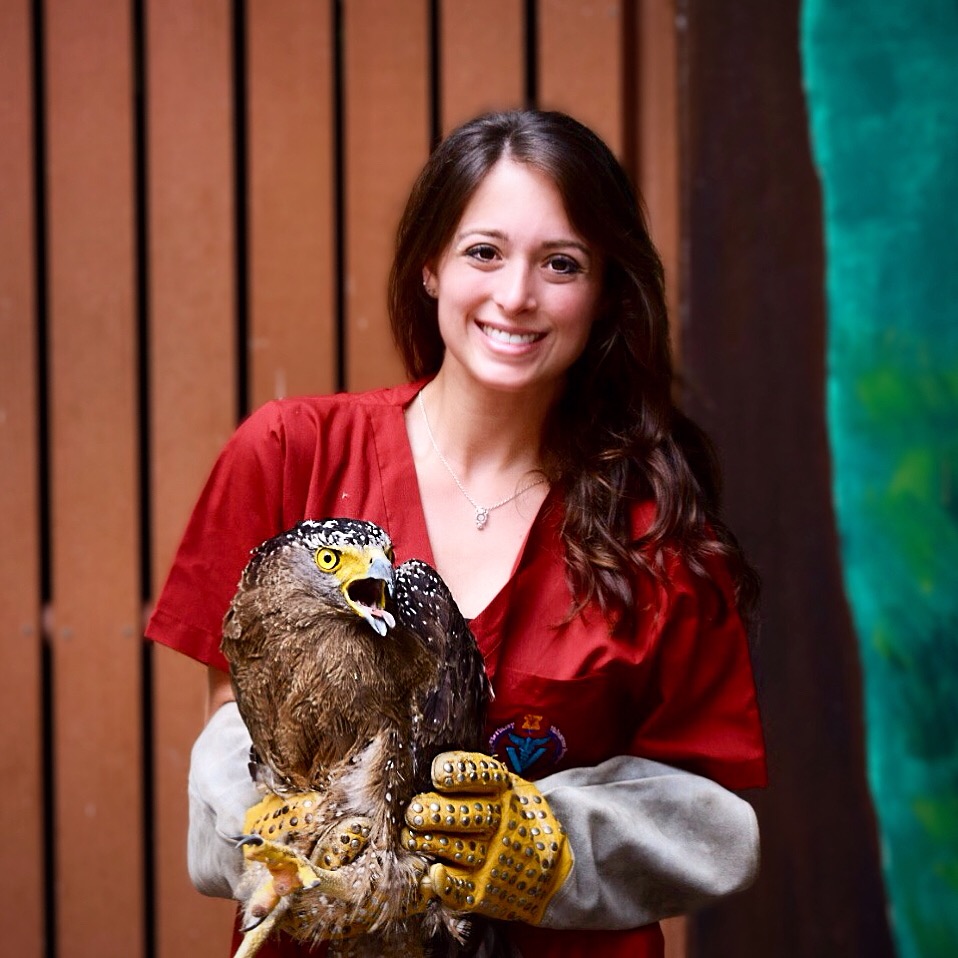
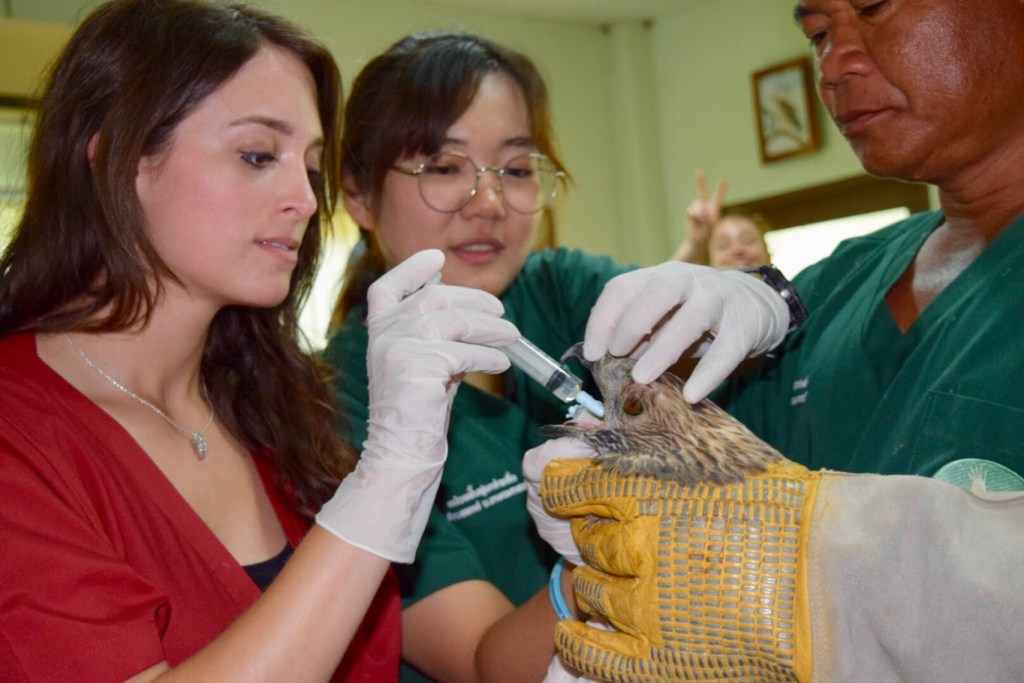
After touring the facility, the veterinarians at the center graciously walked us through bird of prey handling and medical techniques. As someone who wishes to specialize in exotic medicine in the future, I was thrilled to practice administering injections, drawing blood, and placing splints on raptors in need of care.
After learning about bird of prey medicine, we then split into small groups to install owl nest boxes around the campus. One thing I was intrigued to find out about is that without a suitable nesting area, many owls will fail to pair up and reproduce. By increasing the number of nest boxes in an area, we hope to try and boost owl numbers back to what they once were.
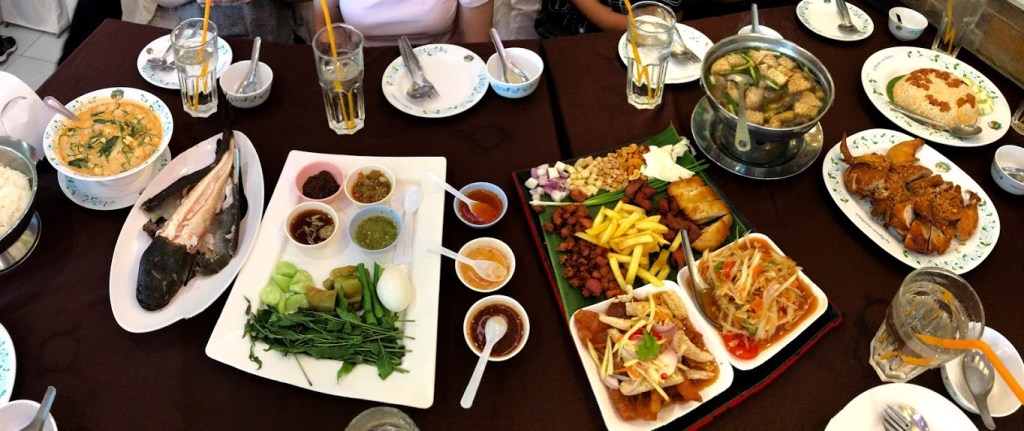
One of my favorite things about the volunteer program was that it encouraged us to immerse ourselves in the Thai culture. As an adventurous eater, I enthusiastically tried every delicacy I was offered, whether it be fried crickets, fertilized chicken eggs, or stew with the entire fish thrown in. Many of the dishes were very spicy, which I loved, but it definitely wasn’t easy for everyone, especially some of the western students.
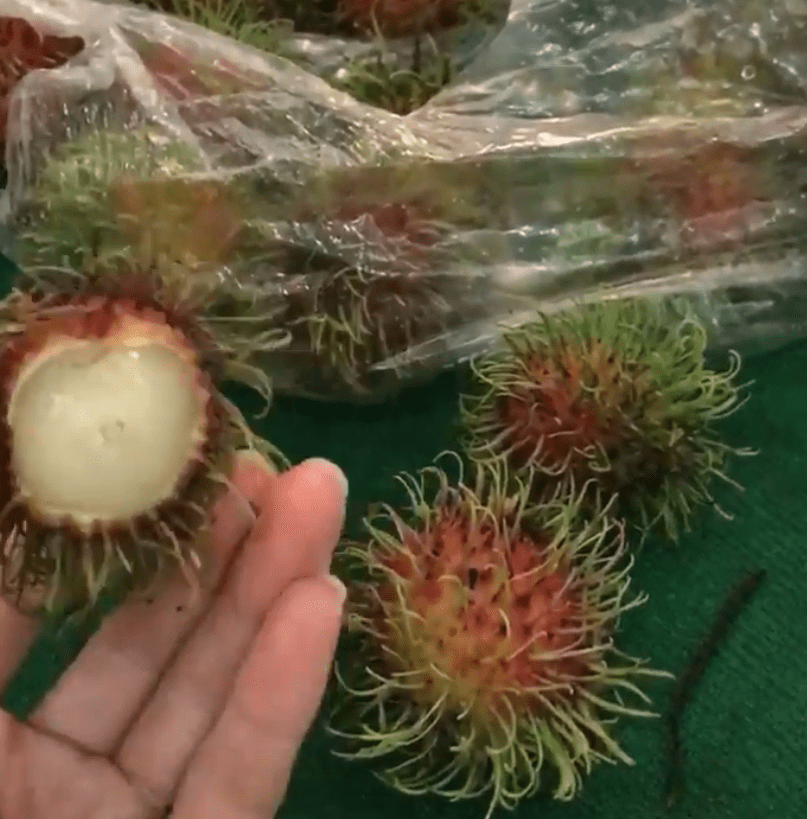
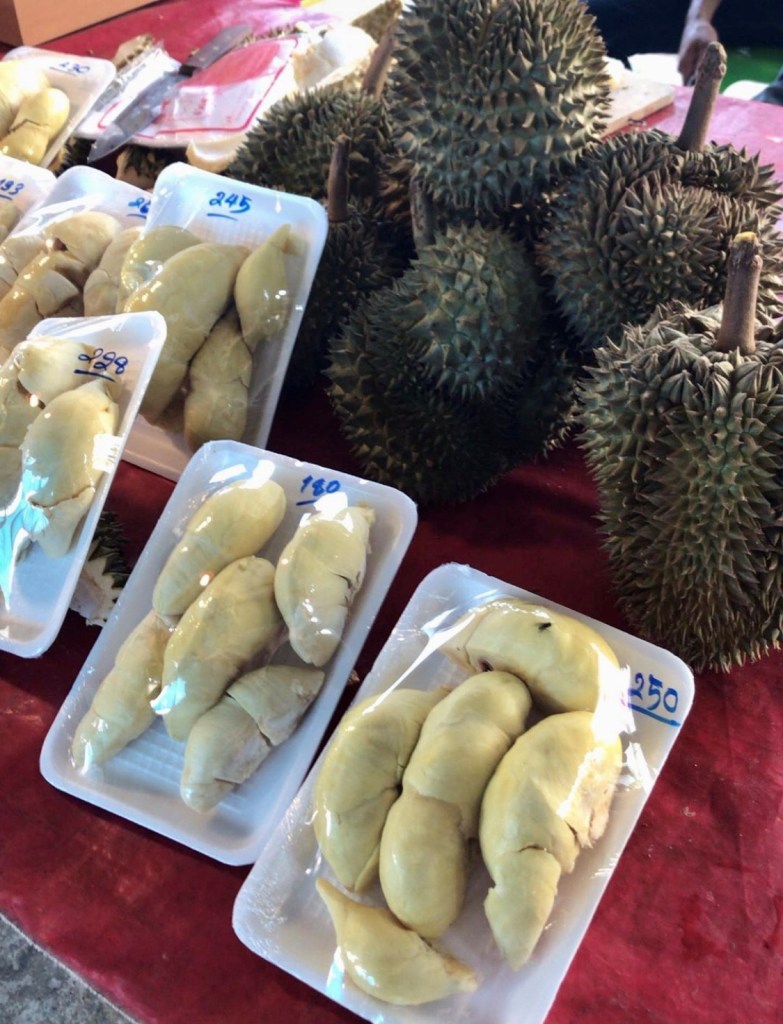
Instead of sweet breakfasts that are staples in The United States, we would typically eat spicy pork and rice for breakfast. Although it was different, I felt like I was in heaven eating authentic Thai food for every meal. I was excited to try fruits that I had never imagined existed – many of them looked foreign to me but all of them tasted amazing.
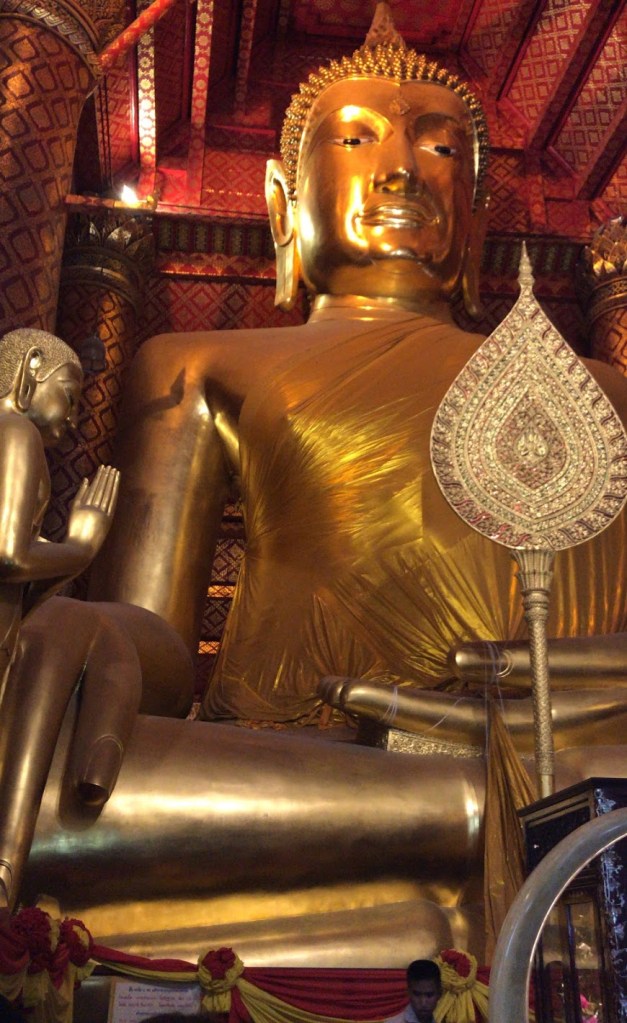
Luckily we were able to take a few breaks from our medical work to learn about Thai culture. While working with the other Thai students, I would ask them about their Buddhist holidays and they would tell me stories about growing up in Thailand. We were able to travel to museums that displayed artifacts from hundreds of years ago and visit sacred temples with golden statues of Buddha taller than a two-story house.
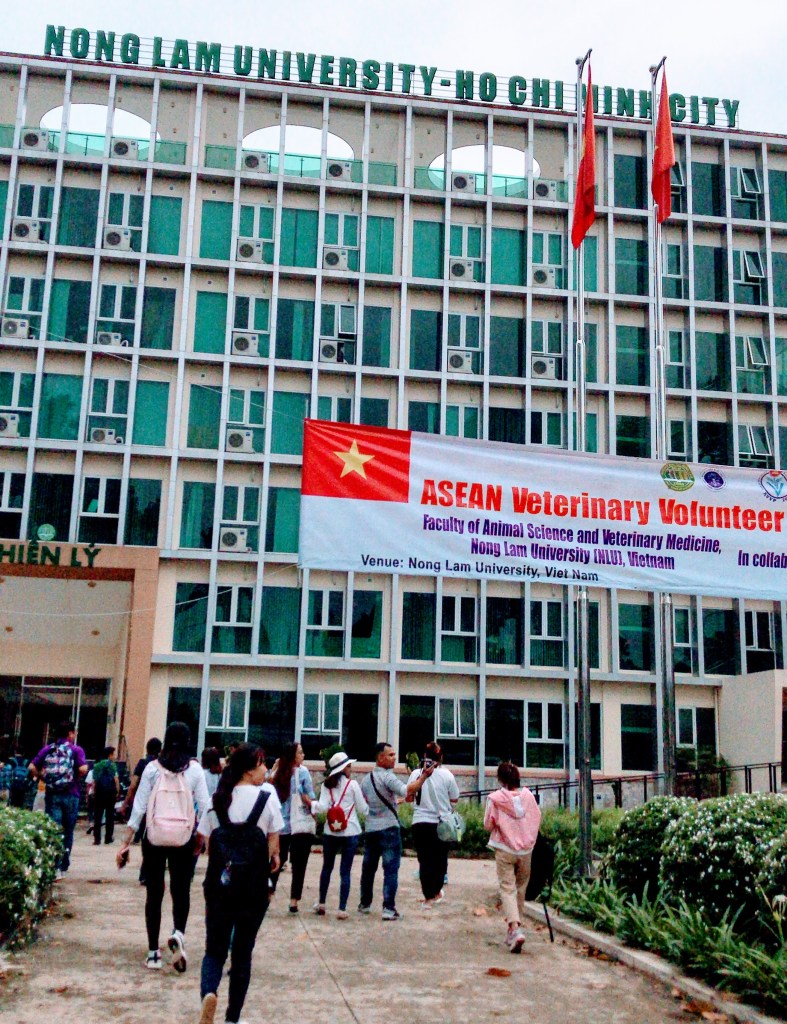
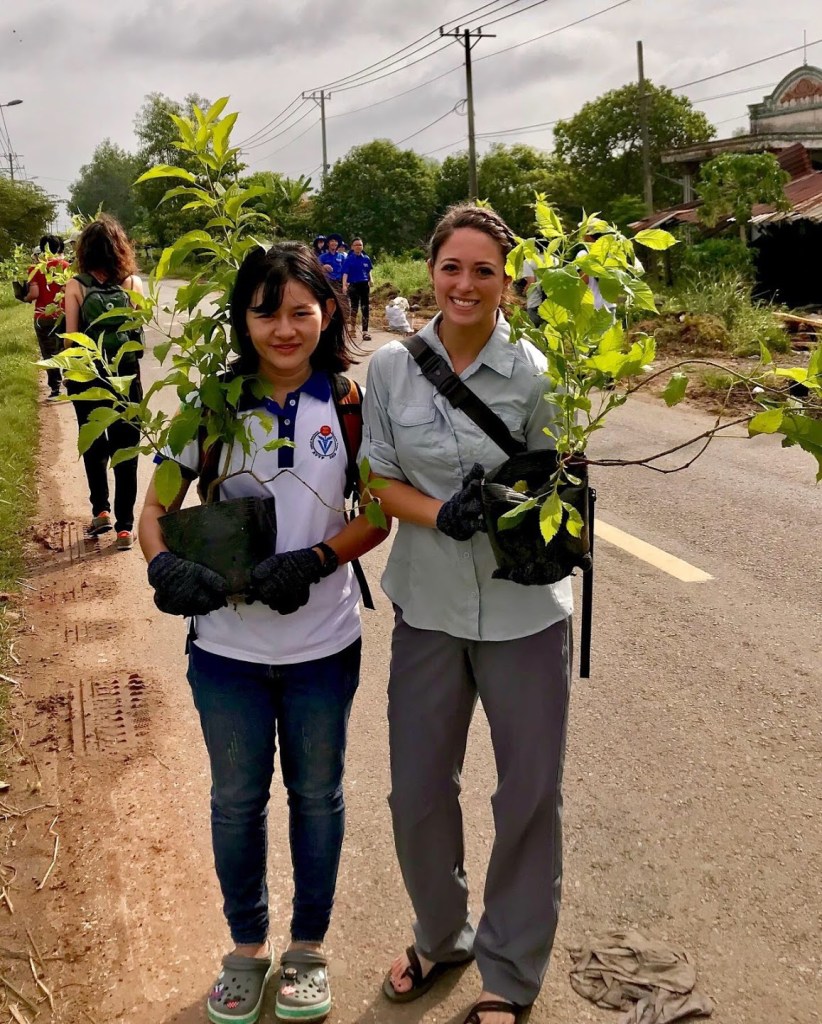
Soon our time was over in Thailand and we were off on our journey to Vietnam. We landed in Ho Chi Minh City and arrived at Nong Lam University, where we were welcomed by vet students from the school. After a short welcome ceremony and a morning full of lectures, we headed out to volunteer and plant trees with high school students in the local community.
After spending a few days in Ho Chi Minh City, we once again split off into our smaller groups and left for the rural communities. Once we arrived in these villages, we readied our supplies and set off on our mopeds, zooming from one local farm to the next.
In these rural Vietnamese villages, many families raise their own livestock, including chickens, goats, pigs, and cattle. Although many of these practices were different from what I’ve seen in the United States, I was excited to learn about lifestyles and practices in a culture different from my own.
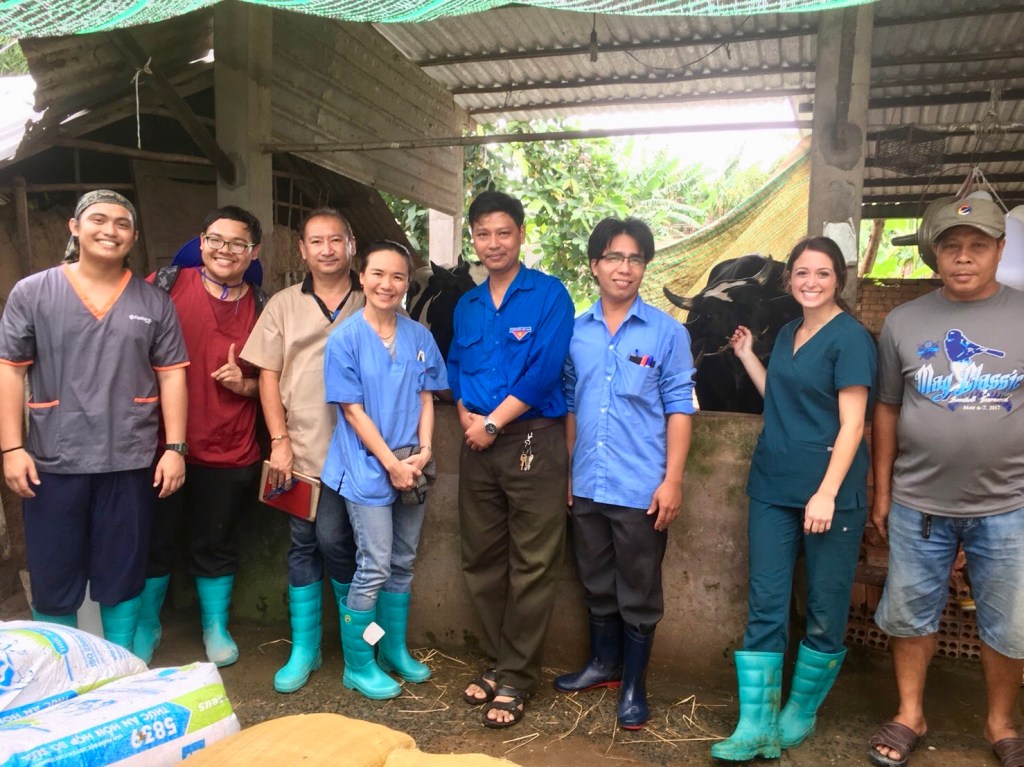
With each new household that we arrived at, we were often greeted with warm smiles and hot tea. The Vietnamese veterinary students usually translated our conversations with the villagers, but sometimes young children would walk up to me and shyly squeak out a “hello!” before running back behind their parents.

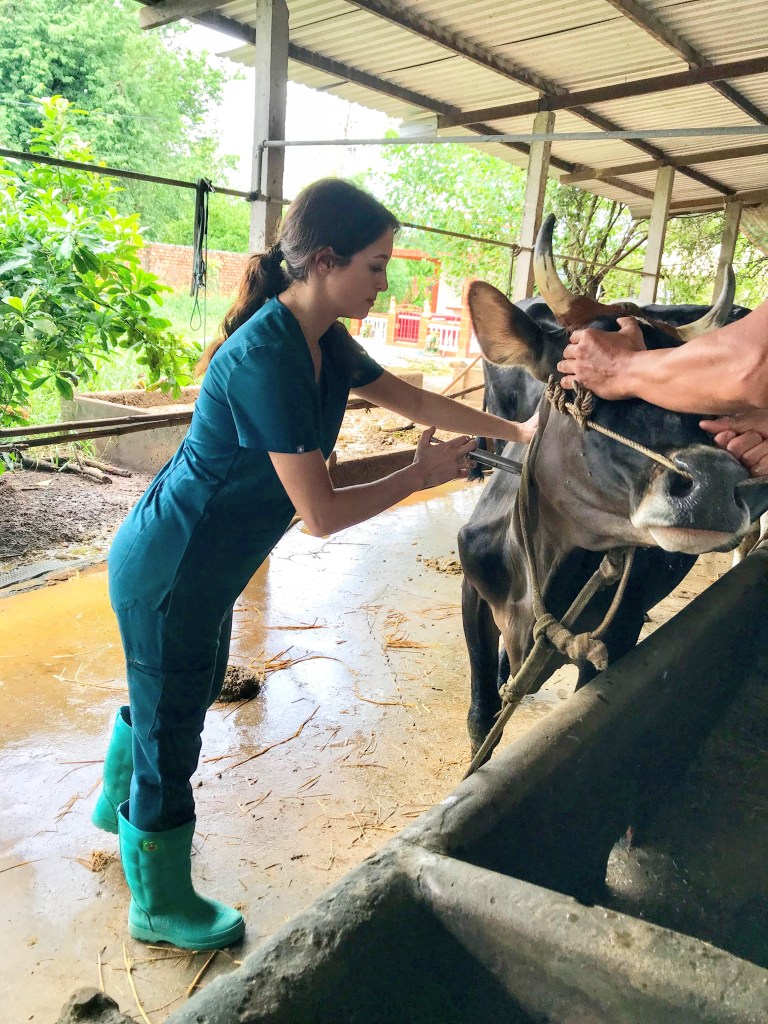
Similar to our volunteer work in Thailand, we vaccinated cattle for foot-and-mouth disease, gave them deworming medicine, and took blood samples for brucellosis testing. The skill of the Vietnamese vet students were impressive – at times I felt like I was at a Texas rodeo watching them rope and catch the cattle.
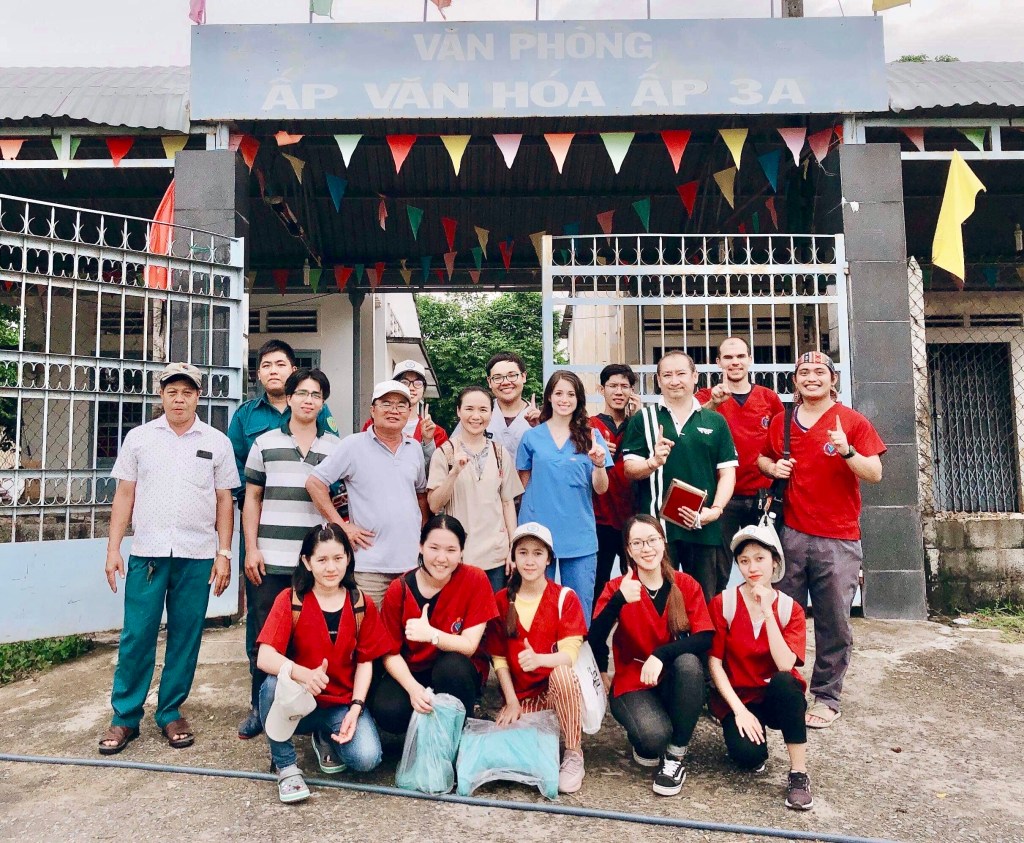
Once we were finished with our large animal work, we switched gears to start working with small animals. Over the next few days, we vaccinated dogs and cats throughout the village and spread helpful information about the importance of rabies prevention.
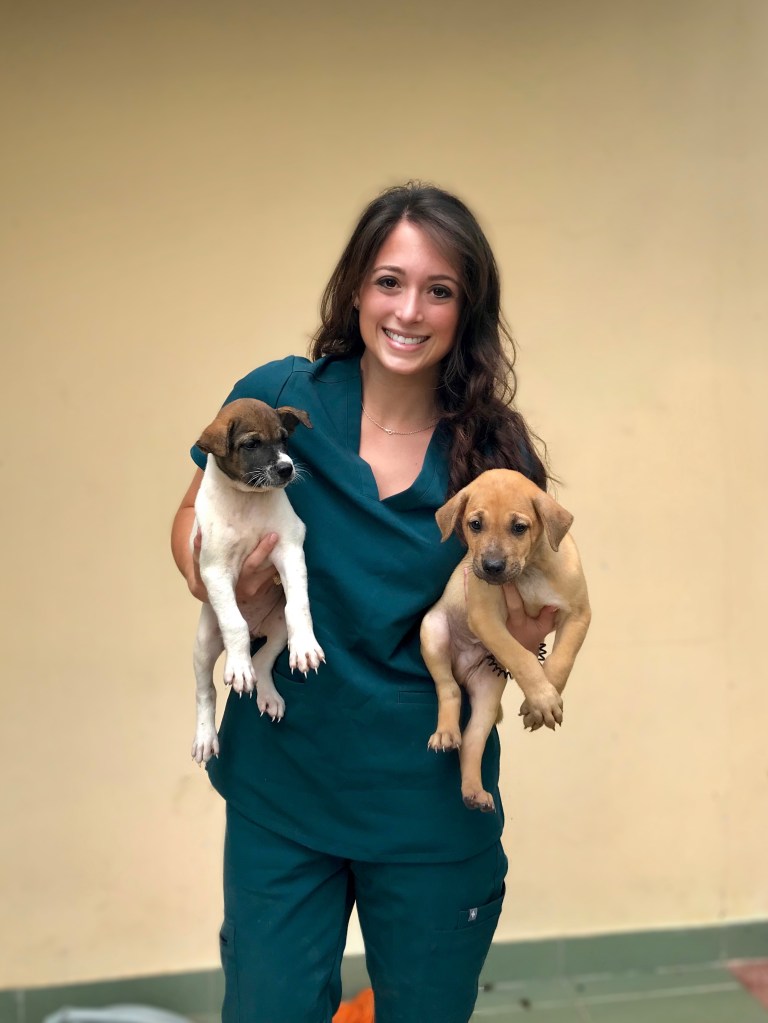
My group’s next research project was more epidemiology focused and assessed the rural village’s knowledge and awareness of rabies. Unfortunately in Vietnam, rabid dogs are the leading cause of rabies infections in humans. Although progress is being made to combat the disease prevalence, there is still work to be done to educate the public about the dangers of rabies and increase vaccinations among dogs in the area.
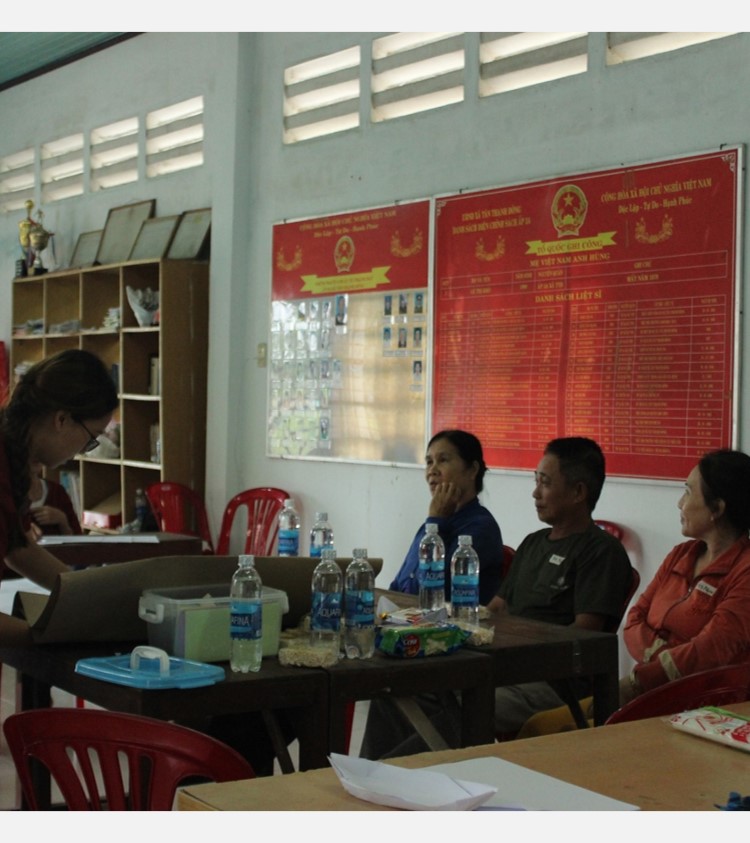
After developing a questionnaire, we went from house-to-house asking villagers what they knew about rabies, how they thought it was transmitted, whether their pets were vaccinated, and what they would do if they were bitten by a suspicious animal.
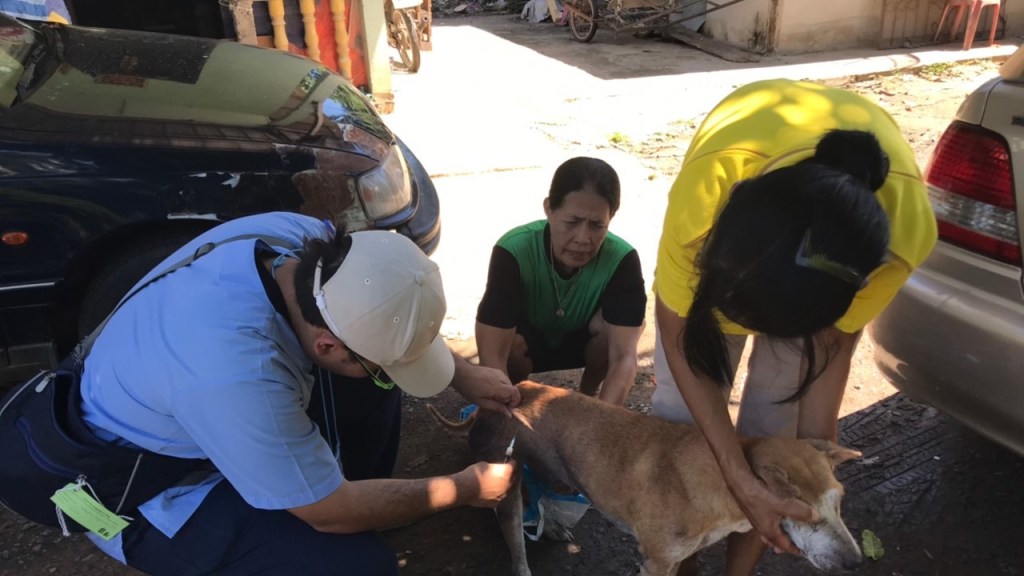
While most had proper knowledge of rabies and responded that they vaccinate their dogs, there were still a few others that believed in outdated and unscientific practices such as “rubbing rhino skin into the bite wound.” Others admitted that in the past, children had died from rabies bites because they either did not know the severity of consequences or were afraid to tell their parents. From this we determined that more education is needed to further combat rabies in the area.
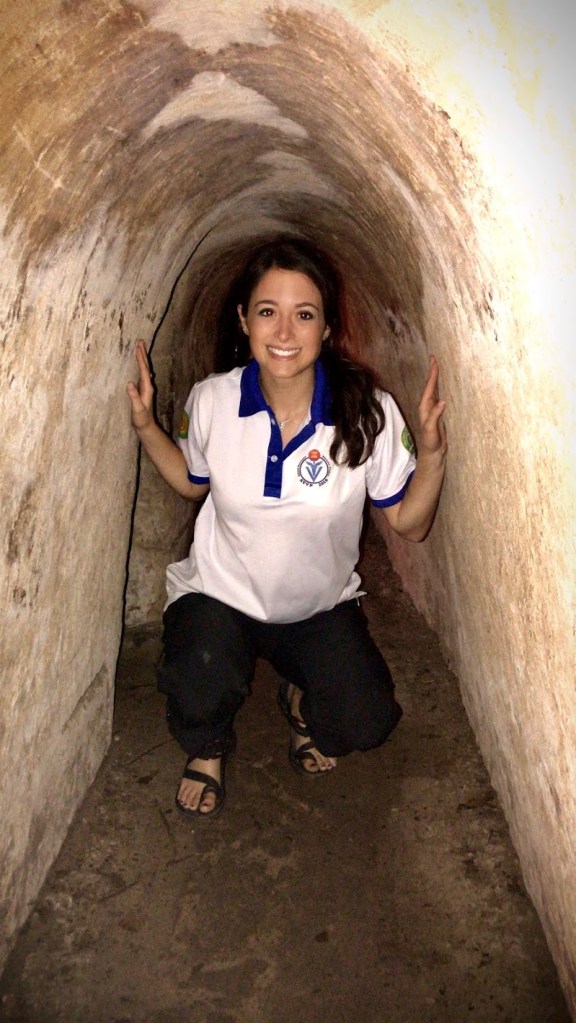
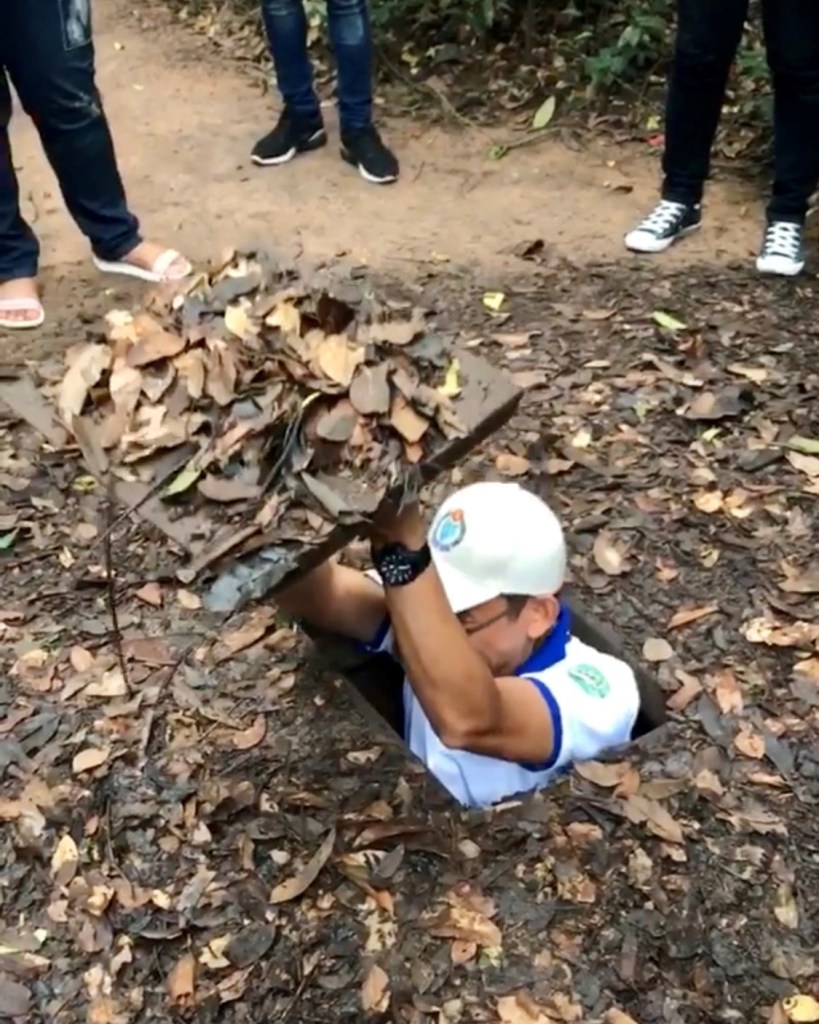
We were lucky enough to learn some history when we were not volunteering. On one rest day, we took a trip to Cu Chi tunnels, which were a network of tunnels used by the Viet Cong during the Vietnam war. I was astonished to find out that people lived in these tunnel systems for years – especially since many of tunnels were too shallow to stand in and some were almost too small for me to fit through. We also paid our respects at the Ben Duoc Temple, which commemorates the lives lost during the Vietnam War.
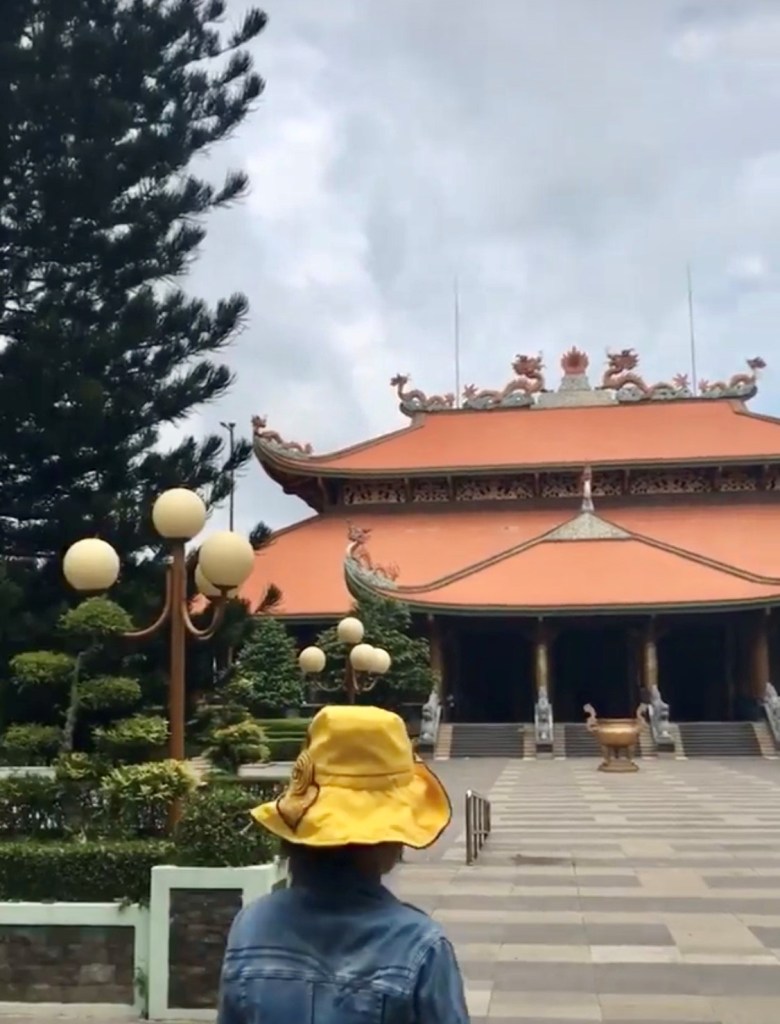
We also had a chance to visit Ho Chi Minh City before we left – my favorite part was the night market, where they would close off multiple streets and vendors would set up cart displays of traditional food and souvenirs.

Finally, our three weeks together was up and it was time to say goodbye. We attended a farewell ceremony where we ate traditional Vietnamese dishes and our groups received recognition for their work. After hours of singing, dancing, and a little bit of happy-crying, we wished our new friends safe travels back home. As I took my taxi back to the Ho Chi Minh airport, I couldn’t help but smile thinking of all the fond memories I made with my veterinary student friends from around the world.

 Exotic.Pet.Vet